For HR and operations leaders, the decision to switch a learning management system (LMS) is rarely about whether the current system is “good enough.” Most know exactly when their platform has become a bottleneck.
The real barrier to switching isn’t a lack of desire for improvement; it is transition anxiety. It is the deep-seated fear that a new system will trigger months of operational disruption, require a total rebuild of existing training from the ground up, and add “implementation stress” to an already stretched-thin team.
But here is the reality: Switching to a modern, industry-specific system is actually the removal of disruption, not the addition of it. The right transition isn’t a months-long “rebuild”—it is a streamlined migration designed to simplify your daily operations from day one.
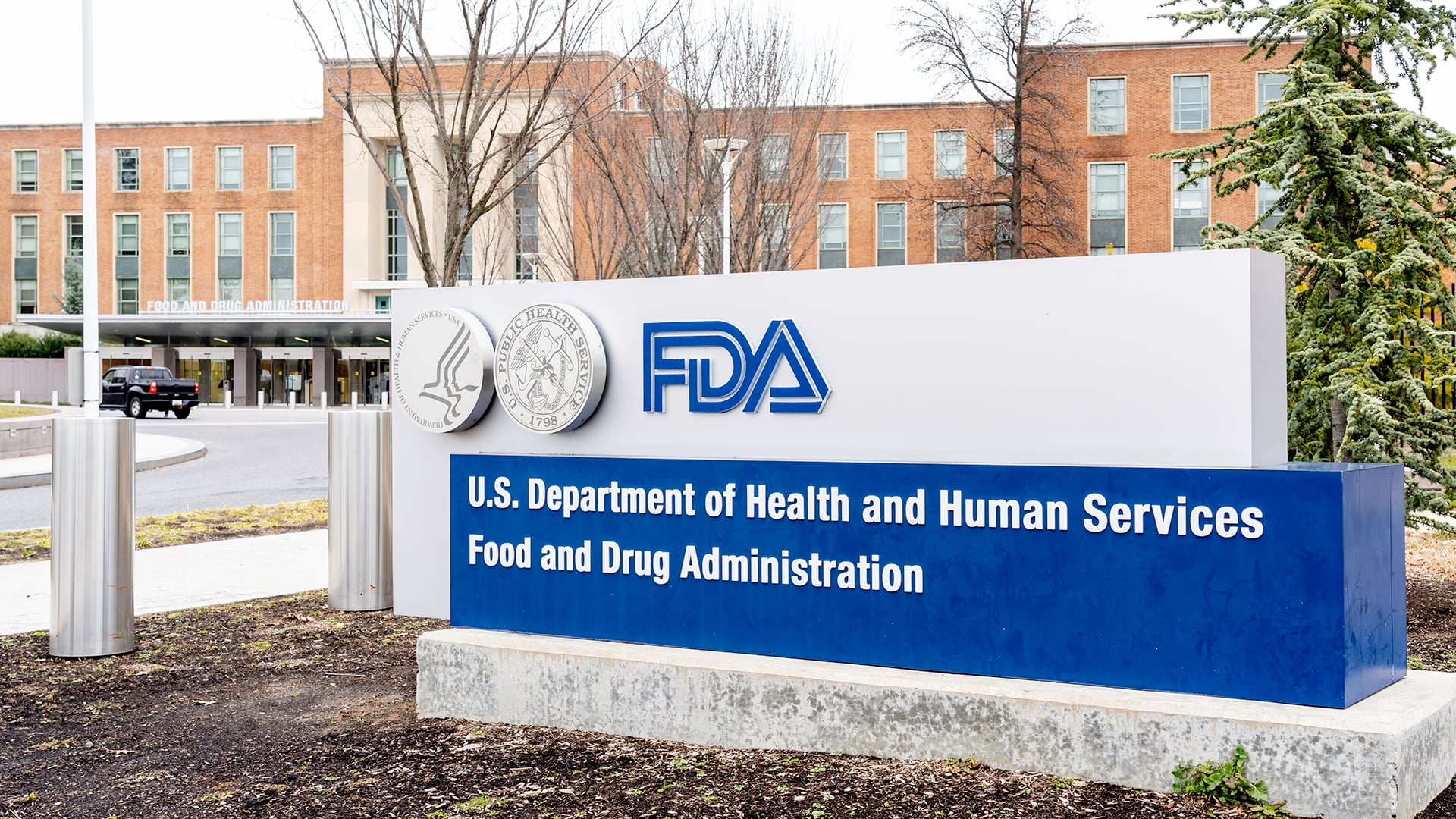
Staying with an inadequate system has a high, invisible price: the “sunk-cost” of administrative friction. Every hour spent manually verifying a certificate or chasing an email is an hour lost to higher-level strategy to maintain FDA and GFSI related compliance. To move forward, you must look past the perceived friction and see how a focused migration actually lightens your workload.
Distinguishing Content Hosting from Competency Architecture
One of the most common reasons facilities stay with an underperforming or over-engineered LMS is the belief that “we already have a system in place.” However, there is a fundamental difference between a platform that merely hosts content and one that builds competency architecture.
Most generic LMS platforms are designed for “corporate” training—think standard HR videos, generic soft skills, and annual workplace etiquette. In high-stakes industries, you need more than just a place for employees to watch videos; you need a system that actively ensures compliance, validates facility-level skills, and maintains rigorous, audit-ready records.
Switching isn’t about replacing what you have for the sake of novelty; it’s about upgrading to a system that understands the specific risks of your industry. By moving to a specialized LMS, you aren’t adding complexity—you are removing the hundreds of manual workarounds your team is currently using to make an average system fit a high-stakes reality. You are moving from a passive library to an active defense.
The Myth of the “Total Rebuild”
The hidden fear for many HR leaders is the perceived time requirement: “We don’t have time to rebuild our entire training program from scratch.” In a modern migration, you don’t have to. The goal is to simplify your existing knowledge, not complicate it. A transition to a more structured system often gives time back to the department in the first 30 days by:
- Leveraging a Ready-Made Library: Instead of spending months creating new content or vetting generic vendors, you gain instant access to an eLearning library already curated for industry and regulatory compliance, safety, and industry-specific standards like PCQI and HACCP. This allows you to close compliance gaps immediately while you work on your custom content.
- Digitizing Tribal Knowledge Quickly: The greatest risk in many facilities is the “tribal knowledge” held only by senior supervisors. Using AI-powered course creation software allows you to take your existing successful SOPs and turn them into verifiable training modules in minutes. This ensures that even if a supervisor leaves, their expertise remains a permanent part of your facility’s DNA.
- Automated Data Migration: Professional platforms are built to absorb your existing records. You don’t lose your historical audit trail or your data integrity; you simply move it into an environment where that data is actually useful and searchable.
Implementation Without Cognitive Overload
Implementation feels complicated when it’s approached as a single, massive “event.” A successful transition is a phased, deliberate process that prioritizes your highest-risk areas first, ensuring that operations never stop while the system evolves.
- Phase 1: Compliance Foundation. Launch industry-standard courses that satisfy immediate regulatory requirements. This provides instant “audit insurance” and relieves the immediate pressure of compliance deadlines.
- Phase 2: Facility Customization. Digitizing your specific internal safety and operational SOPs. This is where you bring your unique facility standards into a verifiable format that employees can access on the floor.
- Phase 3: Automated Scaling. Setting up auto-renewals, expiration alerts, and notification loops. This is the final stage of “hands-off” management, where you never have to manually check a training date or certificate again.
Turning Clarity Into Kinetic Energy
Clarity on the benefits of a new system is important, but it is momentum that solves operational problems. The cost of delay isn’t just friction; it is the continued accumulation of administrative debt—manual logs, missed training windows, and the constant “audit panic” that comes with a fragmented system.
Replacing your LMS isn’t a disruption to your operations; it is the deliberate removal of an existing disruption. It is the moment you move from “managing software” to “managing a competent, safe, and reliable workforce.” The transition is the bridge to an environment where your documentation is as strong as your production.
See How a Focused LMS Simplifies Your Operational Reality